Embarking on a journey, whether a weekend getaway or an international adventure, fills us with excitement. Yet, the unexpected can happen, transforming a dream trip into a difficult situation if you’re unprepared. This is where a well-stocked Travel Medical Kit becomes more than just a convenience; it’s a vital safeguard, a compact arsenal of health essentials designed to address unforeseen medical needs. As an experienced medical technician, I’ve seen firsthand how the right supplies can make all the difference, providing peace of mind and immediate care far from home. This guide will help you understand, choose, and equip the perfect medical kit for your unique travel style, ensuring you’re ready for anything the world throws your way.
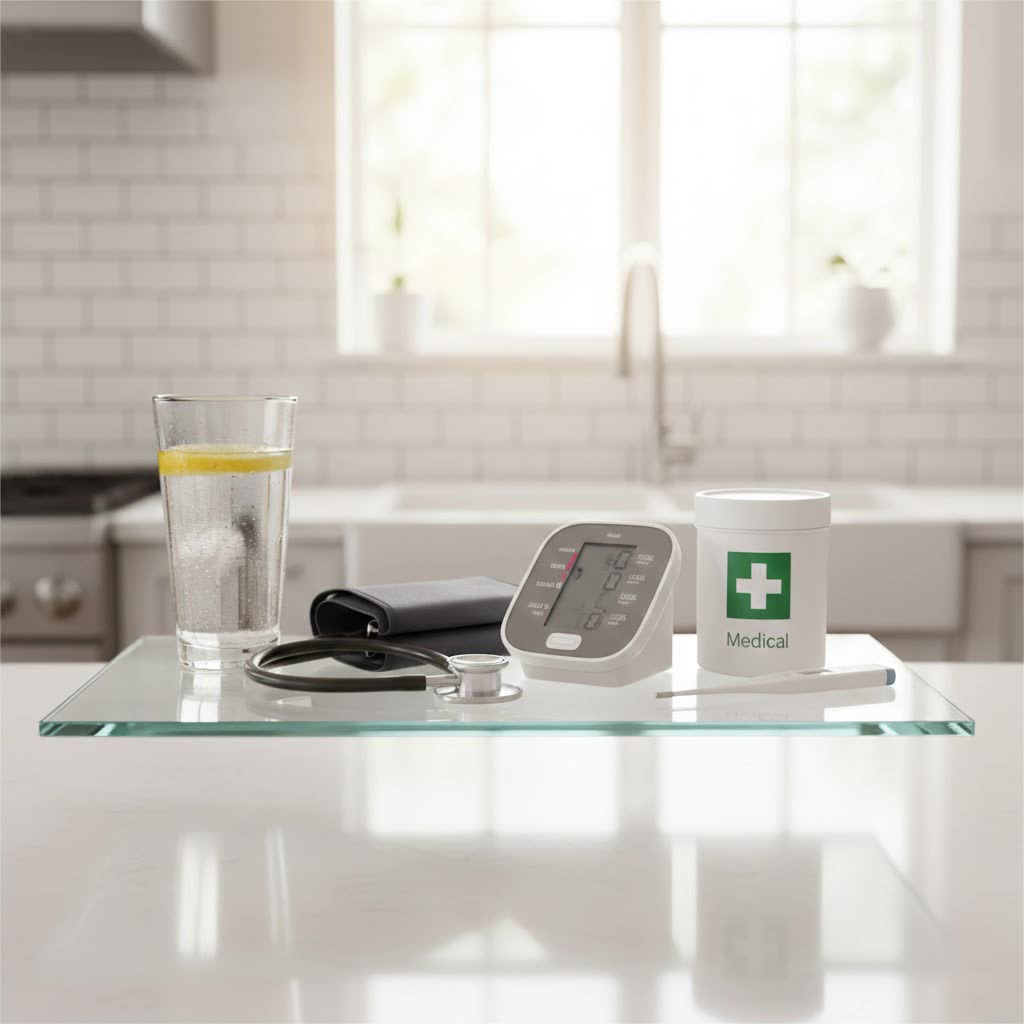
What is a Travel Medical Kit? Why Do You Need One?
A travel medical kit is a portable collection of essential medical supplies, medications, and first aid tools, specifically curated for use during travel. Unlike a standard home first aid kit, a travel version is optimized for portability, durability, and relevance to the unique health challenges one might face away from familiar medical facilities.
The primary purpose of carrying a travel medical kit is to empower you to manage common minor illnesses and injuries swiftly and effectively. Imagine a blister from a long walk in a new city, an upset stomach after trying exotic cuisine, or a scraped knee from an unexpected fall. Without immediate access to basic medical care, these minor issues can escalate, disrupt your plans, or cause significant discomfort. For travelers with chronic conditions, a personalized medical kit ensures continuity of care, allowing you to manage existing health needs like diabetes or asthma without interruption. Furthermore, in remote areas or countries with language barriers, your kit can be a lifeline, providing crucial initial treatment until professional medical help is accessible. It offers a sense of security, knowing you have the means to handle most health hiccups independently.
Common Types of Travel Medical Kits
Just as travel varies, so too should your medical kit. There’s no one-size-fits-all solution; instead, kits are best categorized by their intended use and the specific demands of different travel scenarios.
Personal & Family Travel Medical Kits
|
Our Picks for the Best Medical Kit in 2026
As an Amazon Associate I earn from qualifying purchases.
|
||
| Num | Product | Action |
|---|---|---|
| 1 | Premium 420 Piece Large First Aid Kit for Home, Car, Travel, Camping, Truck, Hiking, Sports, Office, Vehicle & Outdoor Emergencies - Emergency Medical Kits, Businesses & Home Medical Supplies |

|
| 2 | Scherber Public Access Bleeding Control Kit - Trauma Equipment, First Aid Supplies & NAR Tourniquet Pack for Gunshot Wound & Hemorrhage - Medical Professional & Emergency Rescue - Double, Advanced + |
|
| 3 | 400 Piece Large First Aid Kit Premium Emergency Kits for Home, Office, Car, Outdoor, Hiking, Travel, Camping, Survival Medical First Aid Bag, Red |
|
| 4 | Fully Stocked EMT Trauma Bag – Tactical First Responder Medical Kit with Tourniquet, Chest Seals, Bleeding Control, Gauze, Shears & Bandages – Orange |
|
| 5 | First Aid Only 91248 OSHA-Compliant First Aid Kit, All-Purpose 50-Person Emergency First Aid Kit for Business, Worksite, Home, and Car, 260 Pieces |
|
| 6 | Scherber First Responder Fully-Stocked Professional Essentials EMT/EMS Trauma Kit - HSA/FSA Approved - Reflective Bag w/8 Zippered Pockets & Compartments & 200+ First Aid Supplies - Red |
|
| 7 | Large First Aid Kit for Car, Travel & Home - Emergency Kit for Hiking, Camping, Backpacking and Outdoors - Includes Zip Stitch Wound Closure Strips |
|
| 8 | All-Purpose Portable Compact First Aid Kit for Minor Cuts, Scrapes, Sprains & Burns, Perfect for Home, Car, Travel, Camping Essentials & Outdoor Emergency Kit, 160 Pieces |
|
| 9 | Mini First Aid Kit - 150 Piece Small Waterproof Hard Shell Medical Kit for Home, Car, Travel, Camping, Truck, Hiking, Sports, Office, Vehicle & Outdoor Emergencies- Small First Aid Medical Kit (Red) |
|
| 10 | BAND-AID Brand Travel Ready Portable Emergency First Aid Kit for Minor Wound Care, Perfect for Home, Car, Travel, Camping Essentials & Outdoor Emergency Kit, 80 Pieces |
|
For everyday excursions, short vacations, or family trips to well-developed areas, a basic personal or family medical kit is ideal. These kits typically contain essentials for common ailments like cuts, scrapes, headaches, and minor digestive issues. For families, these kits are adapted with age-appropriate medications and tools, such as children’s pain relievers or specific wound care for sensitive skin, ensuring that everyone from toddlers to adults is covered. They are compact enough for a backpack or purse, making them perfect for day trips, theme park visits, or short car journeys.
Adventure & Wilderness Medical Kits
Venturing into the backcountry, tackling challenging hikes, or embarking on remote expeditions demands a far more robust medical kit. These adventure-focused kits are designed for scenarios where medical help might be hours or even days away. They typically include a wider range of trauma supplies like splints, more comprehensive wound closure options, and emergency blankets. Specialized medications for conditions like altitude sickness or severe allergic reactions are also common. Durability and water resistance are paramount for these kits, protecting contents from harsh environments. Their contents are carefully selected to address more serious injuries that can occur in isolated settings, where improvisation and advanced first aid skills may be necessary.
International Travel Medical Kits
International travel introduces unique considerations, including varying local pharmacy availability, different drug names, and potential language barriers. An international travel medical kit should include an extended supply of any personal prescription medications, accompanied by copies of prescriptions. It often contains medications for common travel-related illnesses such as traveler’s diarrhea or malaria (if endemic to the destination). TSA compliance is crucial for carry-on items, so special attention is paid to liquid volumes and tool sizes. These kits prioritize items that can bridge the gap until you can access local medical care or understand the local healthcare system.
Road Trip Medical Kits
For travel by car, whether across states or continents, a road trip medical kit offers a balance of comprehensiveness and accessibility. These kits can be larger than personal kits, leveraging the space available in a vehicle. They often feature robust organization, with labeled compartments making it easy to find items quickly, even in a roadside emergency. Contents might include a wider array of bandages, pain relievers, and even items like instant cold packs for sprains or minor bumps sustained on the road. The focus is on being prepared for common vehicle-related incidents or extended periods away from towns, ensuring the safety and well-being of all passengers.
Essential Components of a Well-Stocked Travel Medical Kit
A truly effective travel medical kit is meticulously assembled, anticipating a range of potential health issues. While customization is key, several categories of items form the bedrock of any reliable kit.
Wound Care & Injury Management
The most common travel mishaps involve cuts, scrapes, and blisters. Your kit should feature a variety of adhesive bandages, including waterproof options and larger sizes for more significant abrasions. Adhesive first aid tape and sterile gauze pads are essential for dressing wounds, while wound closure strips can help manage minor lacerations. Antiseptic wipes or a small bottle of antiseptic solution (like iodine or alcohol) are crucial for cleaning wounds to prevent infection. An antibiotic ointment further aids in healing and protection. Don’t forget sharp, rounded-tip scissors for cutting tape or bandages and a pair of tweezers for splinter or tick removal. Disposable latex-free gloves are a must for maintaining hygiene during treatment, protecting both the injured person and the caregiver.
Over-the-Counter Medications
These form the backbone of symptom management for common travel ailments:
- Pain Relievers: Acetaminophen (Tylenol) or ibuprofen (Advil, Motrin) for headaches, minor pain, fever, and sprains.
- Antihistamines: For allergic reactions, insect bites, or seasonal allergies. Non-drowsy options are preferable during the day.
- Antacids: To soothe upset stomachs or indigestion.
- Anti-Nausea/Motion Sickness Medicine: Essential for bumpy rides, flights, or boat trips.
- Anti-Diarrhea Medicine: Such as loperamide (Imodium), vital for managing traveler’s diarrhea.
- Cold & Flu Relief: Decongestants, cough drops, and throat lozenges.
- Topical Creams: Hydrocortisone cream for rashes and itching, aloe vera gel for sunburns, and calamine lotion for insect bites.
Personal & Prescription Essentials
This category is highly individualized and critical for travelers with existing health conditions:
- Prescription Medications: Carry enough for your entire trip, plus a few extra days’ supply, in their original, clearly labeled containers. Always have copies of your prescriptions, including generic names.
- Epinephrine Auto-Injector: If you have severe allergies (anaphylaxis).
- Insulin/Syringes: For diabetics, accompanied by a prescription.
- Spare Glasses/Contact Lenses: Or a copy of your optical prescription.
- Medical Alert Bracelet: If you have a chronic condition like diabetes or severe allergies.
Protective & Preventive Items
Prevention is always better than cure:
- Sunscreen: SPF 30 or higher, to protect against harmful UV rays.
- Insect Repellent: With DEET or picaridin, especially for areas prone to mosquitoes and ticks.
- Lip Balm with SPF: To prevent chapped lips and sunburn.
- Hand Sanitizer/Wipes: Alcohol-based (at least 60% alcohol) for maintaining hygiene when soap and water are unavailable.
- Water Purification Tablets/Filter: For trips to areas where potable water may be scarce.
- Condoms: For safe sex practices while traveling.
Specialized Tools & Equipment
Depending on your travel plans, these items can be invaluable:
- Digital Thermometer: For monitoring body temperature.
- Elastic Bandage Wraps: For sprains, strains, or supporting injuries (e.g., 2-inch and 4-inch sizes).
- Instant Cold Packs: Disposable, instant-activating packs for immediate relief of bumps, bruises, and minor burns.
- First Aid Guide/Manual: A compact guide with instructions for common emergencies.
- Emergency Blanket: A lightweight thermal blanket for warmth in unexpected cold or for treating shock.
- Splint Material: Flexible aluminum splints for stabilizing fractures or severe sprains (especially for adventure travel).
- Tourniquet: For severe limb trauma with uncontrollable bleeding, requiring proper training to use effectively.
Remember to regularly check expiration dates on all medications and replenish any used supplies before your next adventure.
Comparing Top Travel Medical Kit Brands
The market offers a diverse range of travel medical kits, each with its strengths. Choosing the right brand often comes down to balancing comprehensiveness, portability, and specialized features. Here’s a look at some of the leading names:
Adventure Medical Kits (AMK)
Adventure Medical Kits are highly regarded, especially among outdoor enthusiasts and wilderness travelers. They are renowned for their activity-specific designs, offering kits tailored for hiking, backpacking, kayaking, and more. AMK excels in organization, often featuring color-coded pouches and clear labels that make finding specific components effortless, even in stressful situations. Many AMK kits also include a detailed first aid manual, which is invaluable for non-medical professionals needing guidance. While excellent for basic wound care and “sick-call” complaints, some may find their standard kits less comprehensive for severe trauma, requiring customization for high-risk expeditions.
Surviveware
Surviveware has gained popularity for its robust and highly organized first aid kits. Their products are often praised for their durable, water-resistant, or even waterproof cases, making them suitable for challenging environments or road trips. A standout feature is their meticulously labeled compartments, which significantly improve accessibility during emergencies. Surviveware offers various sizes, from compact options ideal for hiking to larger, more comprehensive kits perfect for vehicle use. They are particularly favored for their blend of practicality, quality components, and thoughtful design.
Prelady
For international travelers, Prelady kits often hit a sweet spot, balancing TSA compliance with comprehensive coverage. These kits are typically compact, lightweight, and designed with airline regulations in mind, helping travelers avoid issues at security checkpoints. Many Prelady kits feature a good number of pieces for their size, providing essential medical supplies without excessive bulk. They are a strong contender for those prioritizing portability and ease of travel across borders, often coming at a budget-friendly price point, though their organization might be more basic than higher-end, specialized kits.
Remote Medical International (RMI)
Remote Medical International stands out for its professional-grade, highly comprehensive kits, particularly suited for remote environments and expeditions. Their “Remote First Aid Kit” is often cited as an editor’s choice, functioning almost like a “small pharmacy” with an extensive array of medications and advanced trauma supplies. RMI kits often include sophisticated instruments and diagnostic capabilities, making them ideal for individuals or groups with advanced medical training heading into truly isolated areas. The significant cost reflects their superior quality and comprehensiveness, making them a serious investment for extreme adventurers or medical professionals.
Other Notable Brands
- Coleman: Often found in general outdoor stores, Coleman offers reliable, budget-friendly mini kits that are great for casual use or as supplementary kits for smaller items.
- American Red Cross: Provides a range of first aid kits suitable for home, car, and general travel, often including a basic first aid guide. They are a trusted name for foundational emergency preparedness.
- Homestockplus: Known for kits with excellent internal organization, often featuring a high piece count and labeled compartments for quick item retrieval, making them suitable for home or car.
- Atickyaid: Offers kits with premium waterproof nylon construction and internationally certified supplies, striking a balance between robust protection and travel-friendly dimensions.
- General Medi: Popular for their ultralight travel essentials, often including hospital-grade supplies and thoughtful additions like emergency foil blankets, prioritizing minimal weight.
- RHINO RESCUE: Designed by emergency medical professionals, these ultralight, water-resistant kits focus on critical care capabilities and blister prevention, appealing to weight-conscious adventurers.
Detailed Comparison Table of Best Travel Medical Kits
| Criteria | Adventure Medical Kits (e.g., Mountain Series) | Surviveware (e.g., Small/Premium) | Prelady (e.g., 138 Pcs Mini) | Remote Medical International (e.g., Remote FAK) |
|---|---|---|---|---|
| Brand | Adventure Medical Kits | Surviveware | Prelady | Remote Medical International |
| Purpose | Outdoor, Wilderness, Activity-specific | General, Road Trip, Outdoor | International, General Travel | Expedition, Remote, Professional |
| Components | Good range, activity-focused, manuals | Comprehensive, well-organized | Essential, TSA-compliant | Very comprehensive, advanced, Rx meds |
| Price Range | Mid-High | Mid-High | Low-Mid | High |
| Pros | Excellent organization, activity-specific, good manuals, water-resistant bags | Durable, waterproof, superior organization, quality supplies | TSA-approved, compact, budget-friendly, good for international compliance | Extremely comprehensive, professional-grade, advanced trauma care, extensive medications |
| Cons | May lack advanced trauma items in basic kits, cost can add up for larger kits | Slightly heavier than ultralight options, higher price point for premium kits | Basic organization, less rugged than hard shells, piece count lower than some | Very expensive, no manual (assumes expertise), bulky for light travel |
Your Guide to Choosing the Right Travel Medical Kit (Buying Guide)
Selecting the perfect travel medical kit involves a thoughtful assessment of your specific needs, the nature of your journey, and practical considerations.
Assess Your Travel Needs
Begin by honestly evaluating where you’re going, what you’ll be doing, and for how long.
- Destination: Will you be in urban areas with easy access to pharmacies and clinics, or remote regions with limited medical resources? Consider specific environmental hazards like high altitudes, dense jungles, or extreme climates.
- Activities: Are you planning strenuous hiking, water sports, casual sightseeing, or a business trip? Different activities pose different risks.
- Duration: A weekend trip requires less than a month-long international tour.
- Group Size & Expertise: Are you traveling solo, with family (including children or elderly), or in a group with someone medically trained?
- Personal Health: Always account for your existing medical conditions, allergies, and regular prescription medications.
Key Considerations: Durability, Organization, & Portability
Once you understand your needs, focus on the kit’s physical attributes:
- Durability and Weather Protection: Choose a kit with a robust casing—waterproof or highly water-resistant is crucial for protecting sensitive contents from rain, spills, or humidity. Hard-shell cases offer excellent crush protection, while durable nylon bags provide flexibility and lighter weight.
- Organization and Accessibility: In an emergency, every second counts. Kits with clearly labeled compartments, transparent pockets, or color-coding allow for rapid identification and access to supplies. A disorganized kit can be frustrating and counterproductive when you’re under pressure.
- Size and Weight: For air travel, backpacking, or light excursions, a compact and ultralight kit is paramount. However, for road trips or base camp setups, you might sacrifice some portability for a more comprehensive supply. Ensure it fits comfortably where you intend to store it (e.g., carry-on, daypack, glove compartment).
Understanding Regulations (TSA, Prescriptions)
Navigating airport security and international borders requires awareness of regulations:
- TSA Compliance: If flying, especially with a carry-on, check for kits labeled “TSA-approved.” This typically means scissors have blades under 4 inches from the pivot point, and liquids (like antiseptic solutions or aloe gel) adhere to the 3-1-1 rule (3.4 ounces/100 milliliters or less per container, in a 1-quart-sized bag).
- Prescription Documentation: For all prescription medications, carry them in their original containers with clear labels. Bring a copy of your prescription from your doctor, ideally including the generic names of the drugs, as brand names vary internationally. Consider a doctor’s note for injectable medications or controlled substances.
Quality and Comprehensiveness of Supplies
Don’t compromise on the quality of medical components.
- Medical-Grade: Look for kits that specify hospital-grade supplies. Cheap bandages with poor adhesive or ineffective antiseptics can fail when you need them most.
- Balance: The “best” kit isn’t always the one with the highest “piece count.” Focus on relevant, high-quality items that address probable scenarios for your trip, rather than unnecessary fillers.
- Customization: No pre-made kit is truly perfect. Be prepared to supplement a purchased kit with personal medications, specialized items (e.g., blister care for hikers), or local recommendations from your doctor.
Where to Purchase Your Kit
You can purchase travel medical kits from various reliable sources:
- Outdoor Retailers: Stores like REI or specialist adventure gear shops often carry high-quality kits from brands like Adventure Medical Kits or Surviveware.
- Online Marketplaces: Amazon, dedicated medical supply websites, and brand-specific online stores offer a vast selection. Look for reputable sellers with good reviews.
- Pharmacies/Drugstores: For basic kits and individual over-the-counter medications.
- Direct from Brands: Many top brands have their own websites where you can purchase kits directly.
How to Effectively Use and Maintain Your Travel Medical Kit
Having a well-packed travel medical kit is only half the battle; knowing how to use its contents and keeping it ready for action are equally important.
The most valuable tool in your kit is knowledge. Consider taking a basic first aid and CPR course before your trip. Organizations like the Red Cross offer accessible training that can teach you essential skills like treating cuts, sprains, burns, and managing allergic reactions. Familiarize yourself with every item in your kit. Understand what each bandage is for, how to apply an elastic wrap, and the proper dosage for all medications. Reading the enclosed first aid guide is a great start.
In an emergency, remain calm and follow basic first aid principles: Check, Call, Care.
- Check: Assess the scene for safety and the injured person for responsiveness and severity of injury.
- Call: If necessary, call for emergency medical help (know the local emergency number for your destination).
- Care: Administer appropriate first aid using your kit.
For proper maintenance, regularly inspect your travel medical kit.
- Check Expiration Dates: Medications and even adhesive bandages have expiration dates. Replace any expired items promptly. Aim for an annual review.
- Replenish Supplies: After any use, immediately replace the items. Don’t wait until your next trip to discover you’re missing essential bandages or medications.
- Storage: Store your kit in a cool, dry place, away from direct sunlight and extreme temperatures, which can degrade medications and adhesives. Ensure it’s always accessible but out of reach of children.
- Customization Updates: Re-evaluate your kit before each major trip. Your travel plans, group members, or personal health needs might change, requiring adjustments to its contents.
Conclusion
A travel medical kit is an indispensable part of responsible travel planning, offering peace of mind and the practical means to address health concerns on the go. From minor scrapes to more serious incidents, being prepared ensures that you can handle unexpected situations effectively, minimizing disruption and prioritizing well-being. By understanding the different types of kits, stocking essential components, and choosing a kit tailored to your unique journey, you transform a potential crisis into a manageable event. Regular maintenance and a fundamental understanding of first aid empower you to be your own best first responder.
So, as you plan your next adventure, ask yourself: Is my travel medical kit ready for anything?
