Imagine a sudden fall at home, a scraped knee on a hike, or a minor accident on the road. In these moments, having immediate access to the right medical kit supplies can make all the difference, transforming a potentially serious situation into a manageable one. As someone with over a decade of experience in medical devices, particularly with various Medical Kits, I’ve seen firsthand how crucial preparedness is. This comprehensive guide will equip you with the knowledge to choose and maintain the perfect medical kit, ensuring you’re ready for any unexpected health challenge.
What is a Medical Kit and Why Do You Need One?
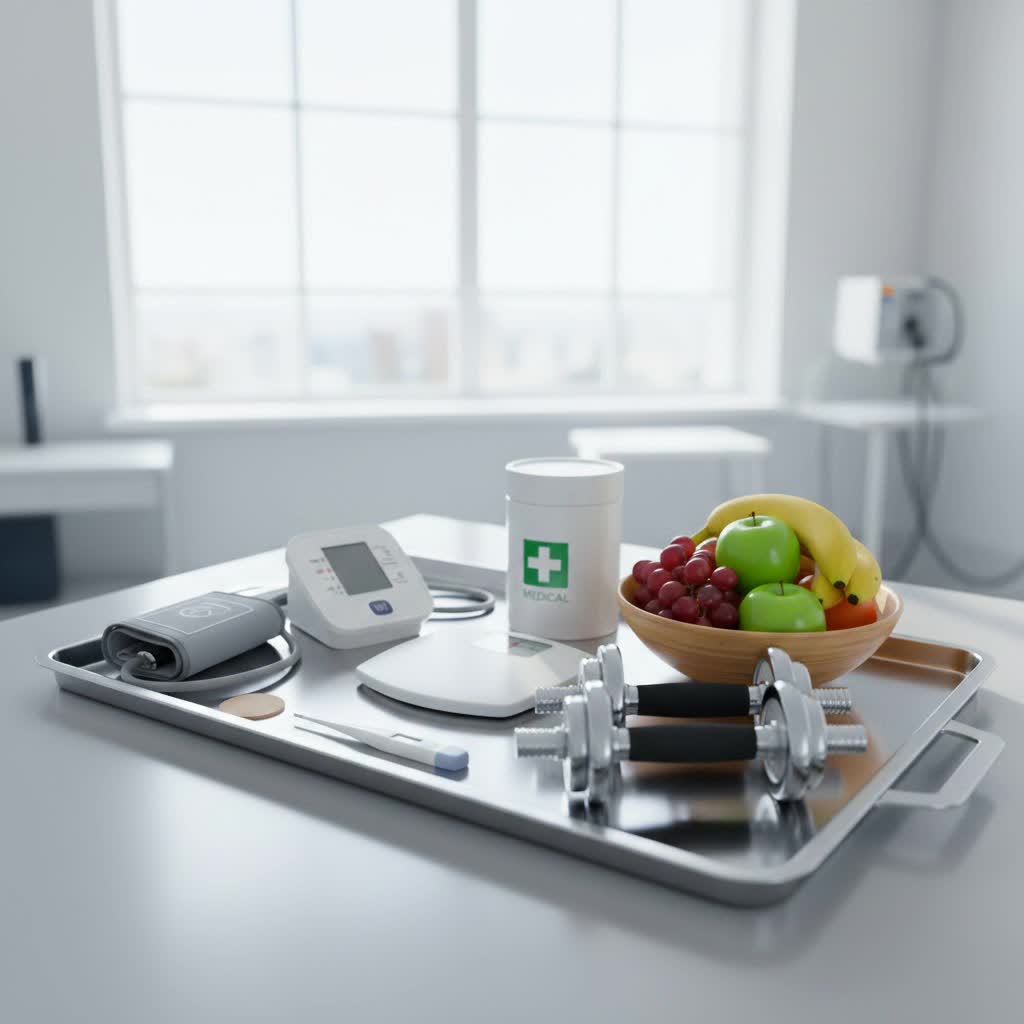
A medical kit, often referred to as a first aid kit, is a meticulously curated collection of supplies designed to provide immediate care for injuries and sudden illnesses. It serves as your frontline defense against health emergencies, offering the necessary tools to stabilize a situation before professional medical help arrives, or to treat minor issues independently. Its basic components typically include items for wound care, pain relief, and personal protection, making it an indispensable asset in various settings, from your home to the wilderness.
The need for a well-stocked medical kit is universal. Accidents and unforeseen health issues can strike anywhere, anytime. Whether it’s a child’s playground mishap, a cooking burn, a sprained ankle during a sporting event, or an allergic reaction while traveling, having immediate access to medical supplies can prevent complications, alleviate suffering, and even save lives. Beyond physical aid, a comprehensive medical kit offers immense peace of mind, knowing you’re prepared to handle common emergencies for yourself and your loved ones.
Popular Types of Medical Kits for Different Needs
Medical kits are not one-size-fits-all; their contents and design are often tailored to specific environments and potential hazards. Understanding these variations is key to selecting a kit that genuinely meets your unique requirements.
Home Medical Kits
|
Our Picks for the Best Medical Kit in 2026
As an Amazon Associate I earn from qualifying purchases.
|
||
| Num | Product | Action |
|---|---|---|
| 1 | Large First Aid Kit for Car, Travel & Home - Emergency Kit for Hiking, Camping, Backpacking and Outdoors - Includes Zip Stitch Wound Closure Strips |

|
| 2 | Premium 420 Piece Large First Aid Kit for Home, Car, Travel, Camping, Truck, Hiking, Sports, Office, Vehicle & Outdoor Emergencies - Emergency Medical Kits, Businesses & Home Medical Supplies |
|
| 3 | First Aid Only 91248 OSHA-Compliant First Aid Kit, All-Purpose 50-Person Emergency First Aid Kit for Business, Worksite, Home, and Car, 260 Pieces |
|
| 4 | Scherber Public Access Bleeding Control Kit - Trauma Equipment, First Aid Supplies & NAR Tourniquet Pack for Gunshot Wound & Hemorrhage - Medical Professional & Emergency Rescue - Double, Advanced + |
|
| 5 | All-Purpose Portable Compact First Aid Kit for Minor Cuts, Scrapes, Sprains & Burns, Perfect for Home, Car, Travel, Camping Essentials & Outdoor Emergency Kit, 160 Pieces |
|
| 6 | Fully Stocked EMT Trauma Bag – Tactical First Responder Medical Kit with Tourniquet, Chest Seals, Bleeding Control, Gauze, Shears & Bandages – Orange |
|
| 7 | BAND-AID Brand Travel Ready Portable Emergency First Aid Kit for Minor Wound Care, Perfect for Home, Car, Travel, Camping Essentials & Outdoor Emergency Kit, 80 Pieces |
|
| 8 | Mini First Aid Kit - 150 Piece Small Waterproof Hard Shell Medical Kit for Home, Car, Travel, Camping, Truck, Hiking, Sports, Office, Vehicle & Outdoor Emergencies- Small First Aid Medical Kit (Red) |
|
| 9 | Scherber First Responder Fully-Stocked Professional Essentials EMT/EMS Trauma Kit - HSA/FSA Approved - Reflective Bag w/8 Zippered Pockets & Compartments & 200+ First Aid Supplies - Red |
|
| 10 | 400 Piece Large First Aid Kit Premium Emergency Kits for Home, Office, Car, Outdoor, Hiking, Travel, Camping, Survival Medical First Aid Bag, Red |
|
Designed for everyday household incidents, home medical kits are typically comprehensive, addressing a wide range of common injuries like cuts, scrapes, burns, and minor illnesses. They often contain a variety of bandages, antiseptic solutions, antibiotic ointments, pain relievers, and basic medications for colds or allergies. A well-organized home kit stored in an accessible location is a cornerstone of family safety.
Travel Medical Kits
Compact and portable, travel medical kits are essential companions for any journey, whether a weekend getaway or an international adventure. These kits prioritize lightweight and space-saving designs while including essentials for minor injuries, upset stomachs, motion sickness, and allergic reactions that might occur away from familiar medical facilities. Look for kits with clearly labeled compartments for easy access on the go.
Sports Medical Kits
Athletic activities, from casual jogs to competitive games, come with their own set of injury risks. Sports medical kits are specifically geared towards common sports-related issues such as sprains, strains, blisters, and abrasions. They often feature elastic wraps, athletic tape, instant cold packs, and plenty of wound care supplies, along with specialized items like blister treatment, to help athletes recover quickly and safely.
Workplace First Aid Kits
Workplace first aid kits are designed to meet regulatory standards, such as those set by ANSI/ISEA, and are categorized by the risk level of the work environment. Class A kits are suitable for low-hazard settings like offices, while Class B kits are for higher-risk workplaces such as factories or construction sites, containing more advanced supplies like padded splints and tourniquets. These kits are crucial for maintaining employee safety and complying with occupational health regulations.
Outdoor & Wilderness Medical Kits
For adventurers venturing into nature, outdoor and wilderness medical kits are indispensable. These kits are typically more robust, water-resistant, and include supplies for injuries common in remote areas where immediate professional help is distant. Beyond basic wound care, they often contain items for severe bleeding, snake bites, tick removal, splinting broken bones, and treating allergic reactions to plants or insects.
Auto Emergency Medical Kits
An auto emergency medical kit is a vital addition to any vehicle, preparing you for roadside incidents beyond just mechanical breakdowns. Alongside standard first aid supplies, these kits often include items tailored for car-related emergencies, such as a seatbelt cutter, a window breaker, a reflective triangle or flares, and an emergency blanket for warmth. They are designed to be durable and withstand varying temperatures within a vehicle.
Trauma Medical Kits
Trauma medical kits are specialized for severe, life-threatening injuries, often utilized by military personnel, first responders, or those in high-risk professions. These kits focus on rapid intervention for critical conditions like massive bleeding, severe burns, or chest injuries. Key components include tourniquets, hemostatic dressings, chest seals, and trauma shears, enabling quick and decisive action in dire situations.
Top Medical Kit Brands Reviewed and Compared
When selecting a medical kit, brand reputation, contents, and features play a significant role. Here’s a look at some leading brands and what they offer:
Surviveware
Surviveware is renowned for its highly organized and durable first aid kits. Their Small Comprehensive Premium First Aid Kit, for example, is lauded for its clearly labeled compartments, making supplies easily identifiable and accessible—a critical feature in an emergency. Made from water-resistant and rip-resistant polyester, it’s a robust choice for both home and outdoor enthusiasts. While the supplies are generally generic brands, their quality is consistently good.
Protect Life
Protect Life offers affordable yet comprehensive medical kits suitable for home, business, and vehicle use. Their standard First Aid Kit boasts 200 pieces in a durable hard zip case, ideal for stationary storage. For car use, the Protect Life Small First Aid Kit is portable and includes 100 essential items like an emergency blanket and tourniquet. Some users note that the kits, particularly the larger ones, can be densely packed, requiring some searching for specific items.
My Medic
My Medic is celebrated for its professional-grade, comprehensive medical kits, often favored by first responders and medical professionals. Kits like the MyFAK (My First Aid Kit) offer extensive supplies ranging from basic first aid to intensive wilderness medicine, including tourniquets, chest seals, and devices for airway management. Their kits are typically organized by medical category, ensuring efficient access to critical tools during high-stress situations. My Medic also provides specialty kits, such as the MyFAK Mini Pro for everyday carry (EDC), which includes items like saline wash, burn gel, and specific medications.
Adventure Medical Kits
Specializing in outdoor and wilderness preparedness, Adventure Medical Kits are a top choice for hikers, campers, and adventurers. Their Mountain Series Medical Kit – Backpacker is designed for multi-day excursions for two people, focusing on injuries common in remote environments like blisters, sprains, and allergic reactions. These kits feature rugged nylon cases with zippered, see-through pockets organized by injury categories and include illustrated manuals for backcountry emergencies. While some kits might seem pricier, their specialized contents and durability justify the investment for outdoor enthusiasts.
Detailed Comparison Table of Best Medical Kits
| Criteria | Surviveware Small Comprehensive Premium First Aid Kit | Protect Life First Aid Kit (200pc) | My Medic MyFAK (Pro) | Adventure Medical Kits Mountain Series Backpacker |
|---|---|---|---|---|
| Brand | Surviveware | Protect Life | My Medic | Adventure Medical Kits |
| Purpose | General home, outdoor, family | Home, business, general emergency | Professional, trauma, wilderness, comprehensive | Hiking, camping, multi-day wilderness (2 people) |
| Key Components | Bandages, CPR kit, gauze, scissors, emergency blanket, labeled pockets. | 200 supplies, bandages, cold pack, whistle, first aid guide. | Tourniquet, chest seals, bleed kits, airway devices, wide range of meds. | Wound care, cuts, scrapes, antihistamine, blister/sprain supplies, manual. |
| Price (approx.) | $35 – $50 | $20 – $30 | $170 – $330+ | $30 – $45 |
| Pros | Excellent organization, durable, water/rip-resistant, easy access. | Affordable, high piece count, good for static storage, includes guide. | Extremely comprehensive, professional-grade, category-organized. | Tailored for outdoors, durable nylon, lightweight, comprehensive manual. |
| Cons | Generic supplies, can be cramped when repacking. | Not well-organized, items can be jumbled. | Higher price point, may contain items beyond basic civilian use. | Slightly higher price for item range, specific outdoor focus may not suit all. |
Your Comprehensive Buying Guide to Medical Kit Supplies
Choosing the right medical kit requires thoughtful consideration of your individual needs and potential scenarios. Here’s a detailed guide to help you make an informed decision:
Assess Your Specific Needs
The first step is to identify who will be using the kit, where it will be used, and what types of risks are most likely. Are you outfitting a family home, a solo hiking trip, a sports team, or a workplace? The answers will dictate the size, complexity, and specific contents of your ideal kit. Consider the number of people it needs to serve and the duration of potential emergencies.
Evaluate Kit Contents & Quality
A basic kit should always include essentials like various bandages, antiseptic wipes, antibiotic ointment, pain relievers, gauze, medical tape, scissors, and disposable gloves. For specialized needs, look for additional items such as a tourniquet for trauma, snake bite kits for wilderness adventures, or specific allergy medications. Always check the quality of individual components; cheap, flimsy tools can fail when you need them most.
Consider Size, Weight, and Durability
The physical characteristics of your kit are crucial, especially for portable applications. For travel or outdoor activities, a compact, lightweight design is paramount. Durability is equally important; a robust, water-resistant, or even waterproof case made from materials like rip-resistant polyester or hard plastic will protect supplies from environmental damage.
Prioritize Organization and Accessibility
In an emergency, every second counts. A well-organized kit with clearly labeled compartments or transparent pockets allows for quick identification and access to supplies, minimizing stress and wasted time. Some kits even categorize items by injury type, further enhancing usability. The ability to open and access the kit with one hand can also be a significant advantage.
Understand Price and Brand Reputation
While budget is a factor, avoid sacrificing quality for cost when it comes to medical preparedness. Research reputable brands known for their reliability and comprehensive offerings. Consider the overall value—the quality and variety of items relative to the price—rather than just the lowest cost. Reading reviews and expert recommendations can provide valuable insights.
Where to Purchase
Medical kits can be purchased from a variety of reputable sources, including drugstores, outdoor recreation stores, online retailers like Amazon, and specialized medical supply companies. When buying online, ensure the seller is trustworthy and check return policies. For specialized or professional-grade kits, consider retailers that cater to emergency services or wilderness first aid providers.
Maximizing Safety: Proper Use and Maintenance of Your Medical Kit
Owning a medical kit is only the first step; knowing how to use it and keeping it in prime condition are equally important for maximizing safety and effectiveness.
Familiarize yourself with the contents of your kit and understand the basic purpose of each item. Consider taking a certified first aid and CPR course. These courses provide invaluable hands-on training and knowledge for handling common injuries and life-threatening emergencies, greatly increasing your confidence and competence.
Regularly inspect your medical kit, ideally every three to six months. Check for expired medications and replace them promptly. Ensure all sterile items remain sealed and undamaged. Replenish any used supplies immediately so your kit is always ready for the next unforeseen event. Also, check that batteries in any electronic devices, like a flashlight, are fresh.
Store your medical kit in an easily accessible, cool, dry place, away from direct sunlight and out of reach of young children. For home kits, a central location in the kitchen or bathroom is often ideal. Vehicle kits should be secured to prevent shifting during travel, and outdoor kits should be packed to protect against moisture and impact.
“A well-prepared medical kit isn’t just a collection of supplies; it’s a testament to your commitment to safety and a critical tool for resilience in an unpredictable world.” – Admin, reviewbiixi.com
Conclusion
A comprehensive medical kit is far more than just a box of bandages; it’s an essential preparedness tool that empowers you to respond effectively to life’s unexpected emergencies. By understanding the different types of kits available, carefully evaluating their contents and features, and committing to regular maintenance, you can ensure you have the right supplies for every scenario. Don’t wait for an emergency to realize the importance of being prepared. Equip yourself today, stay informed, and foster a sense of readiness that will protect you and those around you. What steps will you take this week to enhance your medical preparedness?
Frequently Asked Questions
What are the absolute must-have medical kit supplies?
The absolute must-have supplies include adhesive bandages of various sizes, sterile gauze pads, medical tape, antiseptic wipes or solution, antibiotic ointment, pain relievers (like ibuprofen or acetaminophen), disposable gloves, a pair of scissors, and tweezers. These items form the core for treating minor wounds, preventing infection, and managing pain.
How often should I check my medical kit?
You should check your medical kit every three to six months. This regular inspection ensures that all medications are within their expiration dates, sterile items are intact, and any used supplies are replenished. It’s also a good time to update emergency contact information or replace batteries in devices like flashlights.
Can I build my own medical kit?
Yes, absolutely! Building your own medical kit allows you to customize its contents precisely to your specific needs, activities, and family members’ medical conditions. Starting with essential first aid items and then adding specialized supplies for travel, outdoor adventures, or chronic conditions can create a highly effective and personalized kit.
What’s the difference between a first aid kit and a trauma kit?
While both provide emergency medical care, a first aid kit is designed for common, minor injuries and illnesses. A trauma kit, on the other hand, is specifically geared towards severe, life-threatening injuries such as massive bleeding, chest wounds, or serious burns. Trauma kits contain specialized supplies like tourniquets and hemostatic dressings for rapid, critical intervention.
